Clearblue Connected

Clearblue • B2C • Health tech • Mobile app • Algorithm • Bluetooth device connectivity • 2016-2017

Designing an FDA-approved fertility tracking system for millions—balancing clinical accuracy with emotional sensitivity

CONTEXT

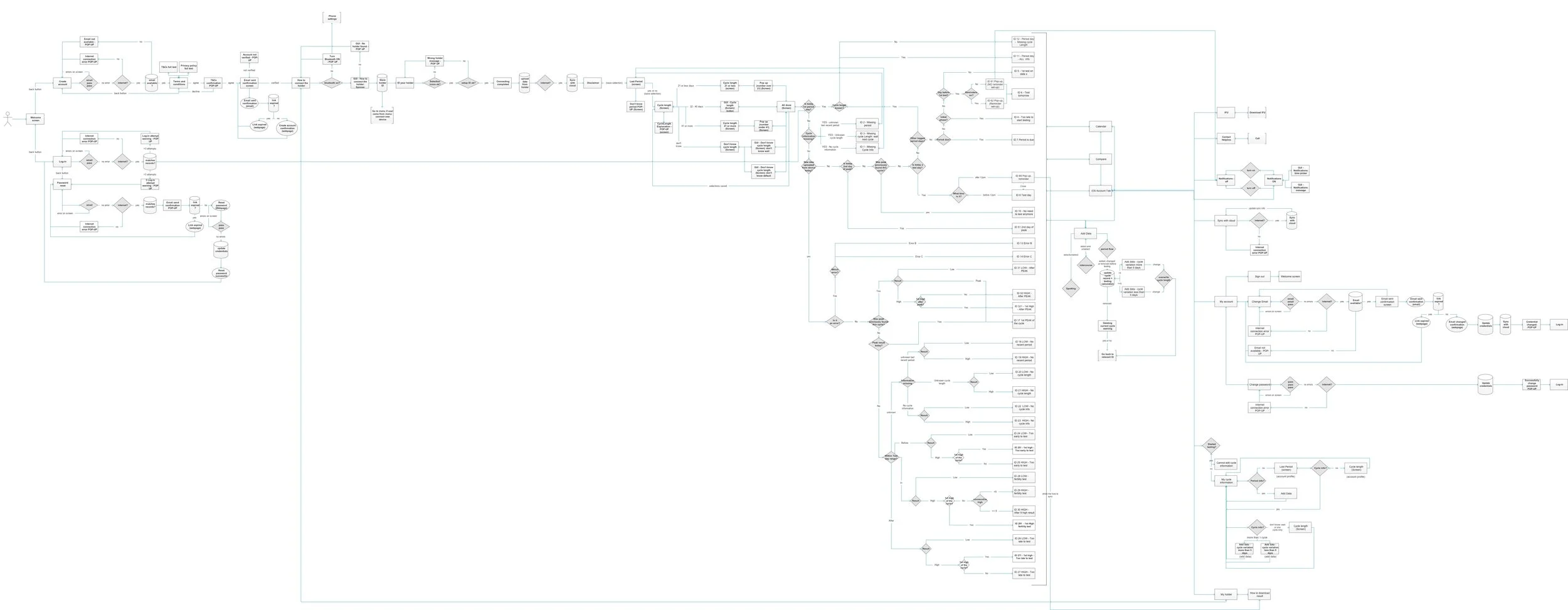
I joined Clearblue, a P&G brand, to design their first connected fertility tracking system—a mobile app paired with ovulation test readers that would help women understand their fertility and achieve pregnancy. Working with the product team, clinical researchers, scientists, regulatory affairs, legal teams, clinical trial teams, and external development partners, I led the end-to-end design of the app that connected to a medical device that would ultimately achieve FDA approval and serve millions of users globally.

The year-long project (2016-2017) required balancing clinical accuracy, regulatory requirements, emotional sensitivity, and ease of use for women who were often stressed and overwhelmed. I worked alongside scientists to develop the algorithm that powered the app's fertility predictions.


Challenge

How do you design a fertility tracker that's clinically accurate enough for FDA approval but emotionally supportive enough for women trying to conceive?

The problem: fertility tracking is inherently complex—menstrual cycles vary, ovulation timing shifts, and medical accuracy is non-negotiable. But users aren't clinical researchers—they're women experiencing stress, hope, and often disappointment. The design needed to translate complex fertility science into clear guidance while supporting users through an emotionally difficult journey.


Understanding the Medical and Emotional Reality

I worked closely with clinical researchers and fertility specialists to understand the science, then interviewed women going through fertility tracking to understand the emotional experience.

The insight: women didn't want more data—they wanted clarity and confidence. They needed to know "what do I do today?" not "here's a chart of hormone levels."


Developing the Algorithm with Scientists

I worked directly with scientists to develop the algorithm that would predict fertility windows. This wasn't just designing screens—it was understanding the clinical logic and translating it into user-facing guidance.

We needed to collect extensive data for FDA validation while only showing users what they needed to take action. I designed a system that balanced both needs.


Designing for High-Stakes Moments

Every interaction carried emotional weight. Telling someone "you're not fertile today" when they hoped to be, or "test now" when they weren't prepared—these weren't just notifications, they were moments that affected people's lives.


Validating with Clinical Trials

The design went through clinical trials with over 200 participants. I observed testing sessions, gathered feedback, and iterated based on how women actually used the device in real-world conditions. Women became pregnant during our clinical trials—seeing the direct impact of this work was profound.

KEY INSIGHTS

The Breakthrough: In high-stakes, emotional contexts, less information is more. Users don't need to understand the complexity—they need to trust the guidance. Clinical accuracy and emotional support aren't opposed—they enable each other.

What made this challenging: Designing for FDA approval meant every word, every interaction, every piece of UI needed clinical justification, legal review, and regulatory approval. I couldn't just iterate freely—each change required validation. Collaborating across product designers, scientists, developers, product managers, legal teams, and clinical trial teams required constant alignment and translation between different disciplines and priorities.

Solution

I shipped an FDA-approved fertility tracking system that millions of women trusted with one of the most important decisions in their lives.

What I delivered:

• Mobile app (iOS and Android) paired with connected test readers
• Algorithm development in collaboration with scientists
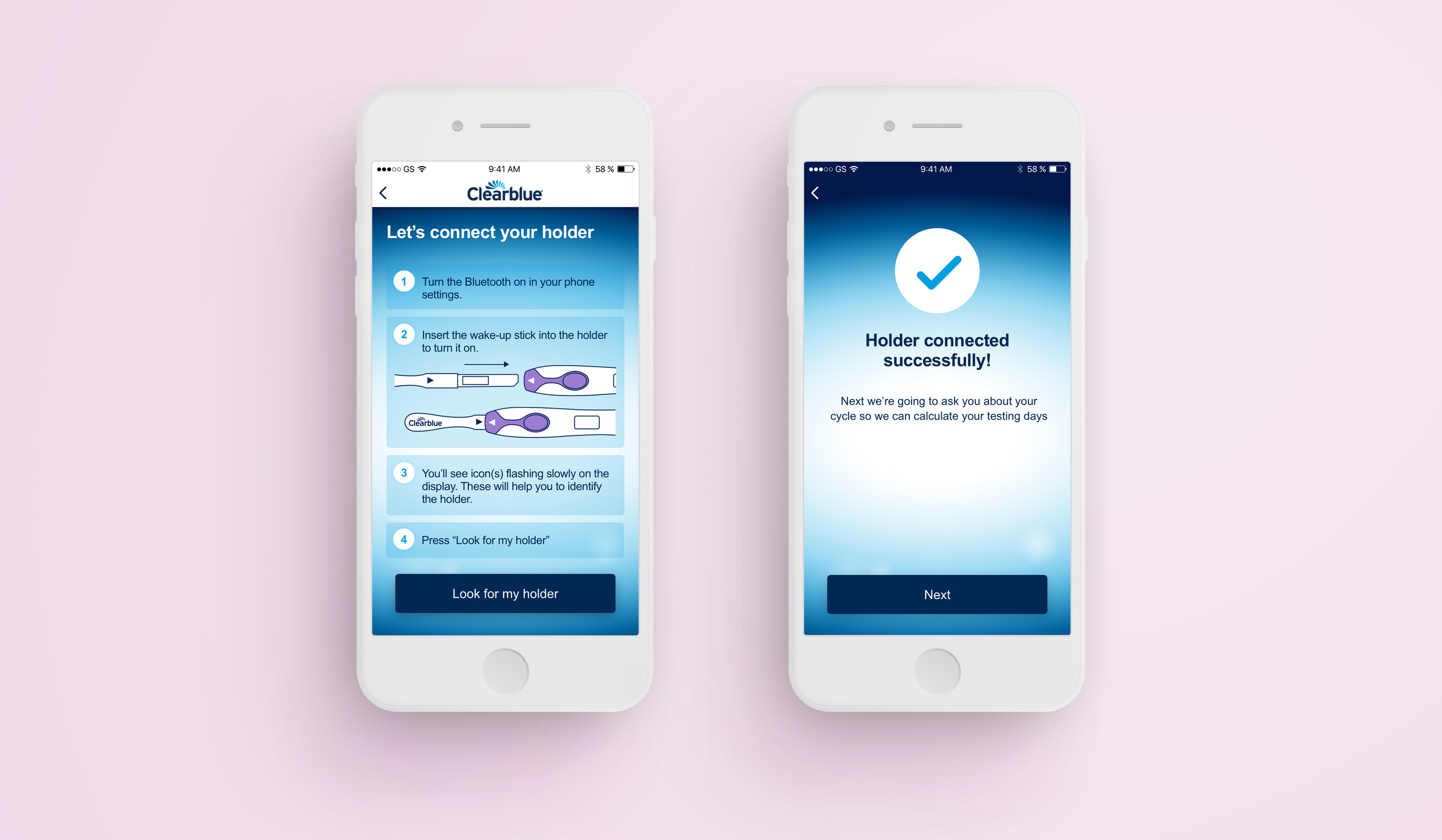
• Onboarding that established trust and set expectations
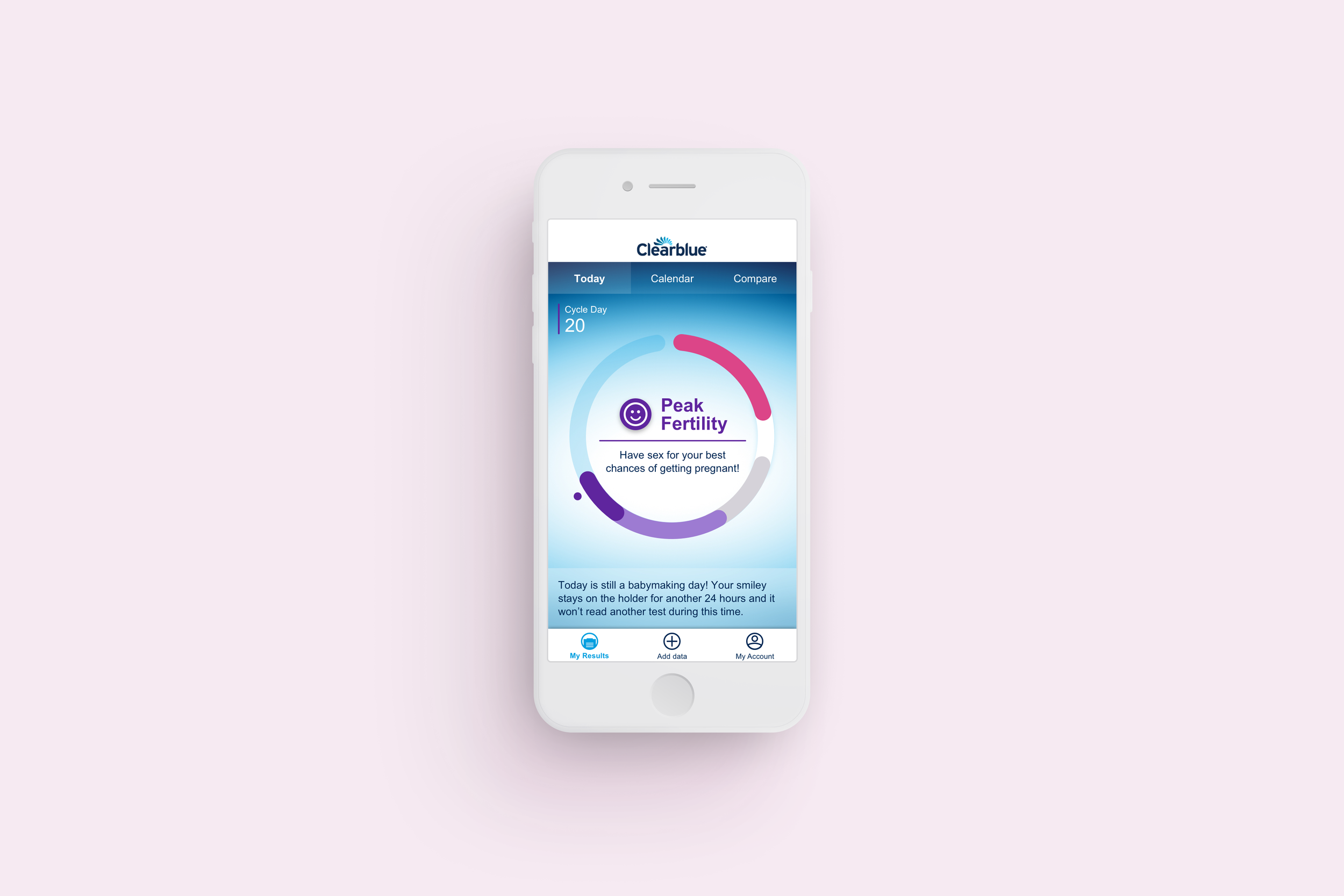
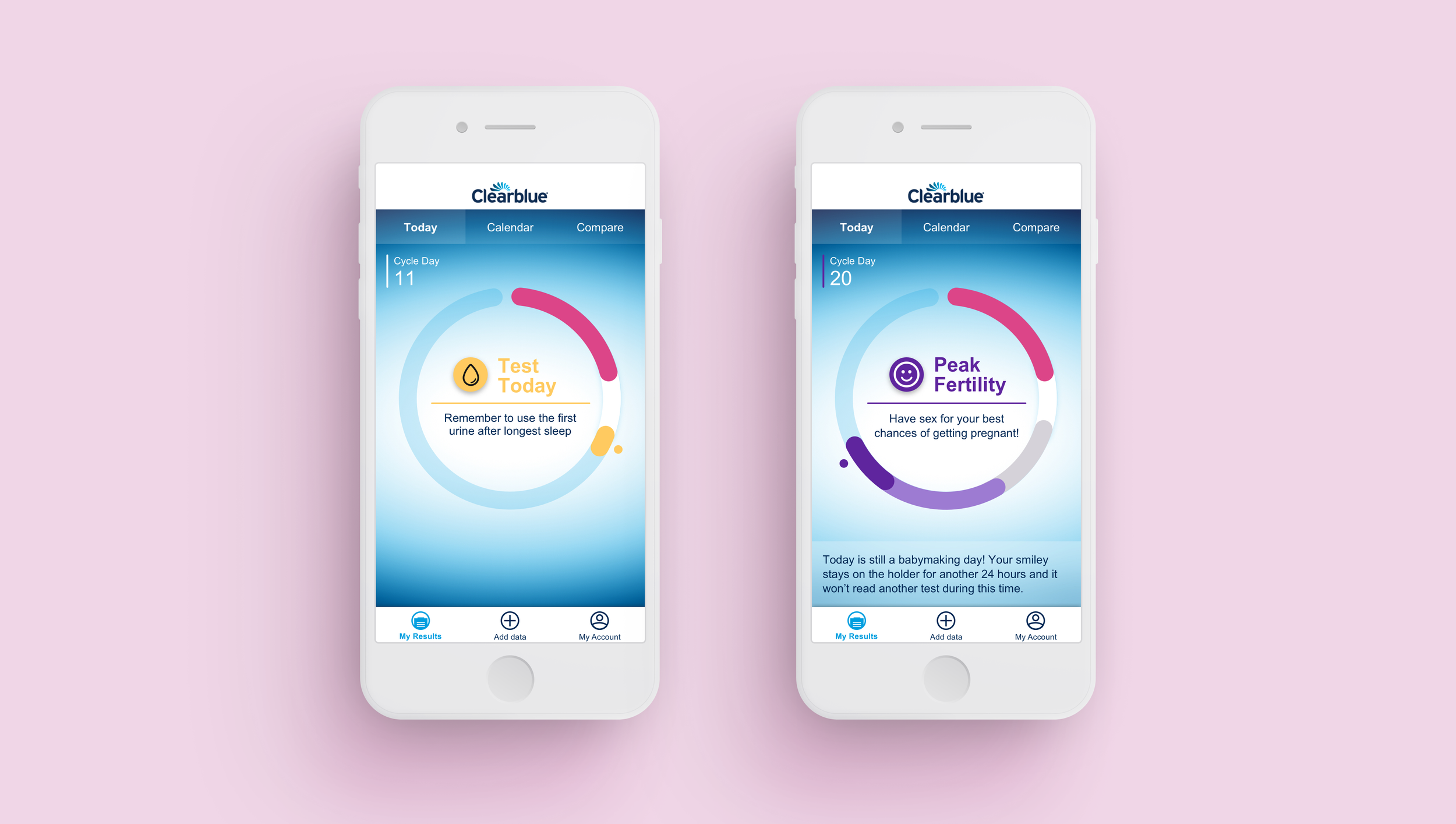
• Daily guidance that told users exactly what to do today
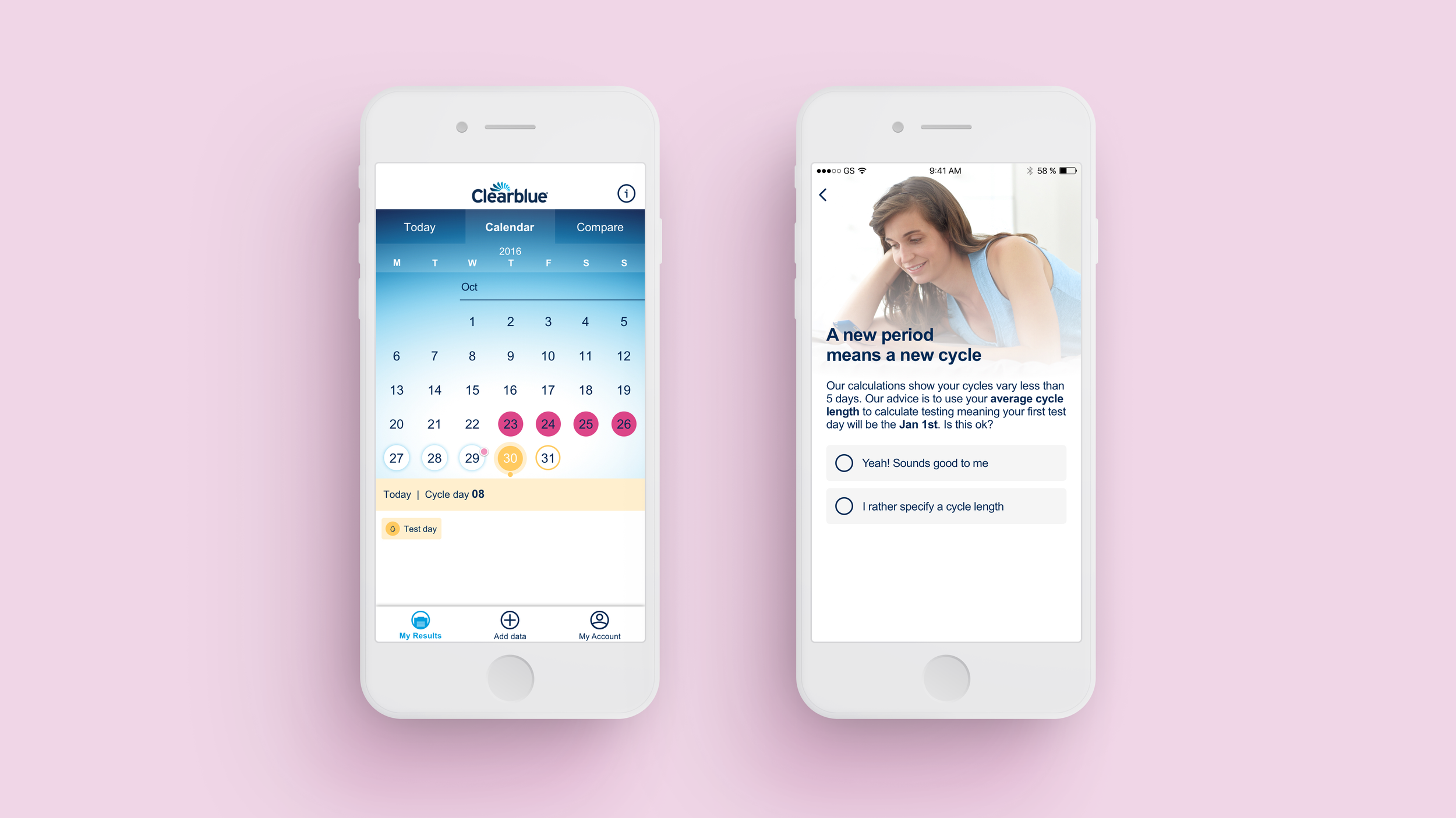
• Fertility calendar that showed patterns without overwhelming
• Test result interpretation that was immediate and clear
• Educational content for those wanting deeper understanding
• Privacy-first design for sensitive health data
• Accessibility features for diverse users

"Finally, something that just tells me what I need to know. I was so overwhelmed by all the information from other apps. This gave me confidence."
— Beta Tester

Impact

Quantified Results:

  • Millions of users worldwide

  • Clinical trial validation with 100+ participants showed high accuracy and user satisfaction

  • Women became pregnant during clinical trials—the direct, tangible impact of this work

Business Impact:

  • Successfully launched Clearblue's first mobile app

  • Created platform for future fertility and pregnancy products

  • Differentiated Clearblue from competitors in a crowded market

A personal note 🩷

I worked on Clearblue during one of the most difficult periods of my life—months after losing my baby at 39 weeks of pregnancy. Designing a tool to help other women achieve what I'd lost was both heartbreaking and purposeful. My lived experience of fertility, pregnancy, loss, and grief informed every design decision. When women became pregnant during our clinical trials, I felt profound joy alongside my own pain. This project taught me that design can be an act of healing—and that our hardest experiences can become our greatest sources of empathy.